Transforming Education with Classroom Decor Watercolor Clipart
The modern educational landscape is defined not just by curriculum and pedagogy, but by the physical and digital environments in which learning takes place. In recent years, there has been a significant shift away from sterile, industrial aesthetics toward spaces that feel warm, inviting, and creatively stimulating. At the forefront of this transformation is the use of Classroom Decor Watercolor Clipart. This specific style of visual asset offers a unique blend of artistic charm and functional utility, allowing educators, designers, and content creators to craft environments that resonate emotionally with students while maintaining organizational clarity.
Unlike rigid vector graphics or overly realistic photographs, watercolor illustrations bring a sense of softness and human touch to school materials. The medium mimics the fluidity of paint on paper, creating textures that are organic and engaging. When applied to bulletin boards, worksheets, and digital planners, these elements do more than just fill space; they set a tone of creativity and approachability. For teachers managing busy classrooms, the right visual language can reduce cognitive load and make complex concepts feel more accessible. This article explores the multifaceted role of these graphics, examining their design characteristics, practical applications, and the psychological impact they have on learning spaces.
The Aesthetic Appeal of Soft Textures and Playful Colors
The defining characteristic of high-quality Classroom Decor Watercolor Clipart lies in its texture and color palette. Traditional clip art often relies on flat colors and hard edges, which can appear dated or impersonal. In contrast, watercolor styles utilize gradients, bleed effects, and subtle variations in opacity to mimic hand-painted artwork. This textural depth adds a layer of sophistication that appeals to both young learners and adult observers.
Color theory plays a pivotal role in how these assets function within a room. The most effective collections balance primary tones—vibrant reds, blues, and yellows—with soothing pastels and warm neutrals. Primary colors capture attention and are essential for highlighting key information like number charts or alphabet posters. However, an overabundance of bright hues can lead to visual fatigue. By integrating pastel washes and neutral backgrounds, designers create a visual rhythm that guides the eye without overwhelming it. This balance is crucial for creating a friendly and welcoming learning environment where students feel safe to explore and make mistakes.
Furthermore, the "imperfect" nature of watercolor aligns well with the creative process itself. It signals to children that learning is not about rigid perfection but about exploration and expression. When a student sees a chalkboard illustration or a bookshelf rendered in soft, flowing strokes, it subconsciously lowers barriers to engagement. The aesthetic suggests that the classroom is a space for growth, much like the drying paint on a canvas.
Key Visual Elements and Their Functions
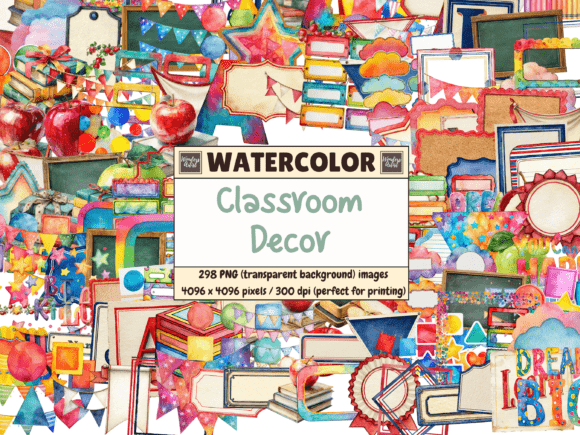
A robust collection of School Supplies PNG assets goes beyond simple decoration. Each element serves a specific purpose in organizing the classroom ecosystem. Consider the following core components found in comprehensive sets:
- Bulletin Board Graphics: These serve as the anchor for thematic displays. Whether showcasing student work or outlining weekly goals, watercolor borders and headers provide a cohesive look that ties disparate items together.
- Alphabet Posters and Number Charts: Essential for early literacy and numeracy, these tools benefit greatly from the gentle aesthetic of watercolor. Soft backgrounds ensure that the letters and numbers remain the focal point, reducing distraction while maintaining visual interest.
- Furniture and Objects: Illustrations of desks, chairs, globes, and backpacks help in creating scene-based learning materials. They allow teachers to build narrative contexts for stories or math problems, making abstract concepts concrete.
- Stationery Icons: Pencils, crayons, scissors, and rulers are ubiquitous in education. When rendered as Back to School Watercolor icons, they become versatile symbols for labeling, categorizing, and gamifying tasks.
These elements are not merely decorative; they are functional tools that support the daily workflow of an educator. The ability to mix and match these items allows for infinite customization, ensuring that no two classrooms look exactly the same.
Practical Applications Across Educational Formats
The versatility of Teacher Classroom Clip Art extends far beyond the physical walls of a school building. In the digital age, these assets are integral to remote learning, homeschooling projects, and online educational platforms. The transition from physical printables to digital screens requires graphics that remain legible and appealing at various resolutions. High-quality PNG files with transparent backgrounds ensure that these images integrate seamlessly into slide decks, interactive whiteboards, and e-learning modules.
Printable Worksheets and Educational Materials
For teachers creating custom resources, Educational Printable Elements offer a solution to the monotony of standard textbook layouts. By incorporating watercolor themes into worksheets, educators can transform routine drills into engaging activities. For instance, a math worksheet featuring watercolor apples and baskets becomes a story problem rather than a list of equations. This contextualization helps students retain information better by associating data with visual narratives.
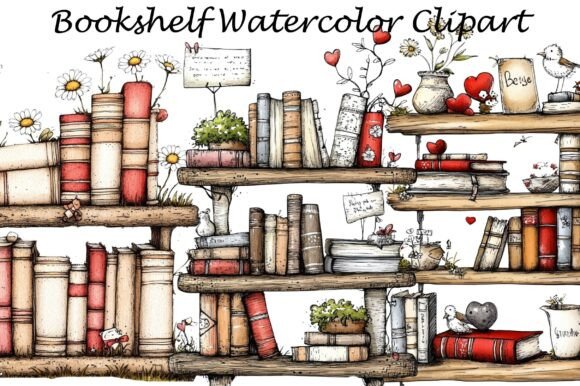
Homeschooling parents also rely heavily on these resources. Without the infrastructure of a public school, the home environment must be intentionally designed to foster focus and curiosity. Using Kids Classroom Decor PNG assets to create themed learning stations—such as a "science corner" with globe and microscope illustrations or a "reading nook" with bookshelf graphics—helps delineate space and purpose within a home setting.
Digital Planners and Organization Tools
Beyond direct instruction, these graphics are vital for administrative organization. Teachers spend countless hours planning lessons, tracking grades, and managing schedules. School Planner Stickers made from watercolor clipart allow educators to personalize their digital planners (such as GoodNotes or Notability). Instead of generic black-and-white checkboxes, a teacher might use a watercolor pencil icon to mark completed tasks or a colorful banner to highlight important deadlines. This personalization boosts morale and makes the administrative side of teaching feel less burdensome and more creative.
Moreover, for business owners and entrepreneurs in the education sector, these assets are foundational for branding. Creating a line of Learning Resources Clipart products requires a consistent visual identity. Watercolor styles offer a distinctive look that stands out in crowded marketplaces like Etsy or Teachers Pay Teachers, signaling quality and care to potential buyers.
Psychological Impact on Learning Environments
The choice of decor is never neutral; it actively influences behavior and mood. Research in environmental psychology suggests that the physical surroundings of a classroom significantly impact student engagement and stress levels. Harsh lighting, cluttered spaces, and aggressive colors can induce anxiety, whereas soft, organized, and colorful environments promote calmness and focus. Classroom Decor Watercolor Clipart leverages these principles by providing visuals that are stimulating yet soothing.
The "school-day charm" associated with these graphics taps into nostalgia and positive associations with childhood. For younger students, seeing familiar objects like backpacks and crayons rendered in a friendly, artistic style creates a sense of belonging. It validates their world and interests. For older students, the mature application of watercolor techniques can elevate the perceived value of the material, making even complex subjects feel approachable and aesthetically pleasing.
Additionally, the diversity of themes available—from seasonal back-to-school designs to year-round academic motifs—allows for dynamic changes in the classroom atmosphere. Rotating bulletin board displays with new Bulletin Board Graphics keeps the environment fresh and signals transitions in the school year, helping students mentally prepare for new units or seasons. This adaptability is crucial for maintaining long-term engagement throughout the academic calendar.
Considerations for Implementation
While the benefits are clear, successful implementation requires thoughtful planning. Simply filling a wall with random images can lead to visual noise, which defeats the purpose of organization. Educators should consider the following when utilizing Chalkboard Illustration and other assets:
- Cohesion: Ensure that all chosen elements share a similar color palette and style. Mixing hyper-realistic photos with soft watercolors can create a disjointed look.
- Hierarchy: Use larger, bolder graphics for major headings and smaller icons for details. Guide the viewer's eye logically through the space.
- Accessibility: While watercolor is beautiful, ensure that text remains legible against the textured backgrounds. Contrast is key for students with visual impairments.
- Relevance: Select imagery that supports the current curriculum. If studying geography, prioritize globes and maps; if focusing on writing, use pencils and books.
By adhering to these principles, the classroom becomes a curated gallery of learning opportunities rather than a chaotic display of decorations.
Future Trends in Educational Design
As we look toward the future of education, the integration of technology and traditional aesthetics will continue to evolve. The demand for Classroom Decor Watercolor Clipart is likely to grow as schools seek to humanize increasingly digital experiences. Virtual classrooms need the same warmth and character as physical ones. As virtual reality (VR) and augmented reality (AR) enter the mainstream, these 2D assets may serve as the foundation for 3D immersive environments, bringing the charm of watercolor into interactive digital worlds.
Furthermore, the trend toward personalized learning suggests that one-size-fits-all decor will fade. Teachers and students will increasingly co-create their learning spaces using customizable digital assets. The ability to download, modify, and recombine School Supplies PNG elements empowers educators to tailor their environments to the specific needs and cultural backgrounds of their students. This democratization of design ensures that every learner sees themselves reflected in their educational space.
In conclusion, the value of Classroom Decor Watercolor Clipart extends far beyond mere decoration. It is a strategic tool that enhances communication, supports organization, and fosters a positive emotional climate. From the smallest preschool alphabet poster to the most complex high school lesson plan, these visuals play a critical role in shaping the experience of education. By embracing the soft textures, playful colors, and organized charm of watercolor art, educators can build spaces that not only teach but inspire, proving that the way we present knowledge is just as important as the knowledge itself.